
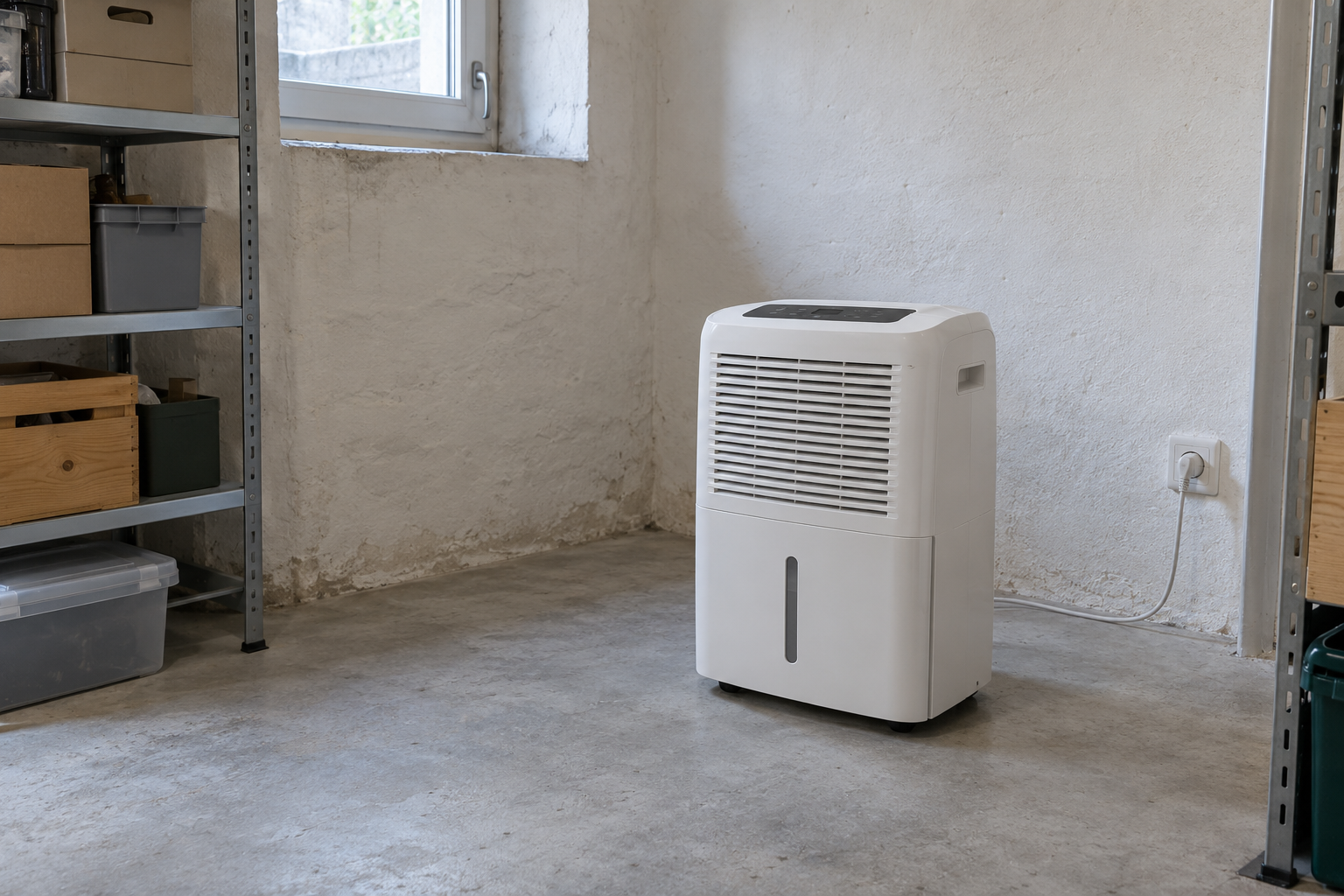
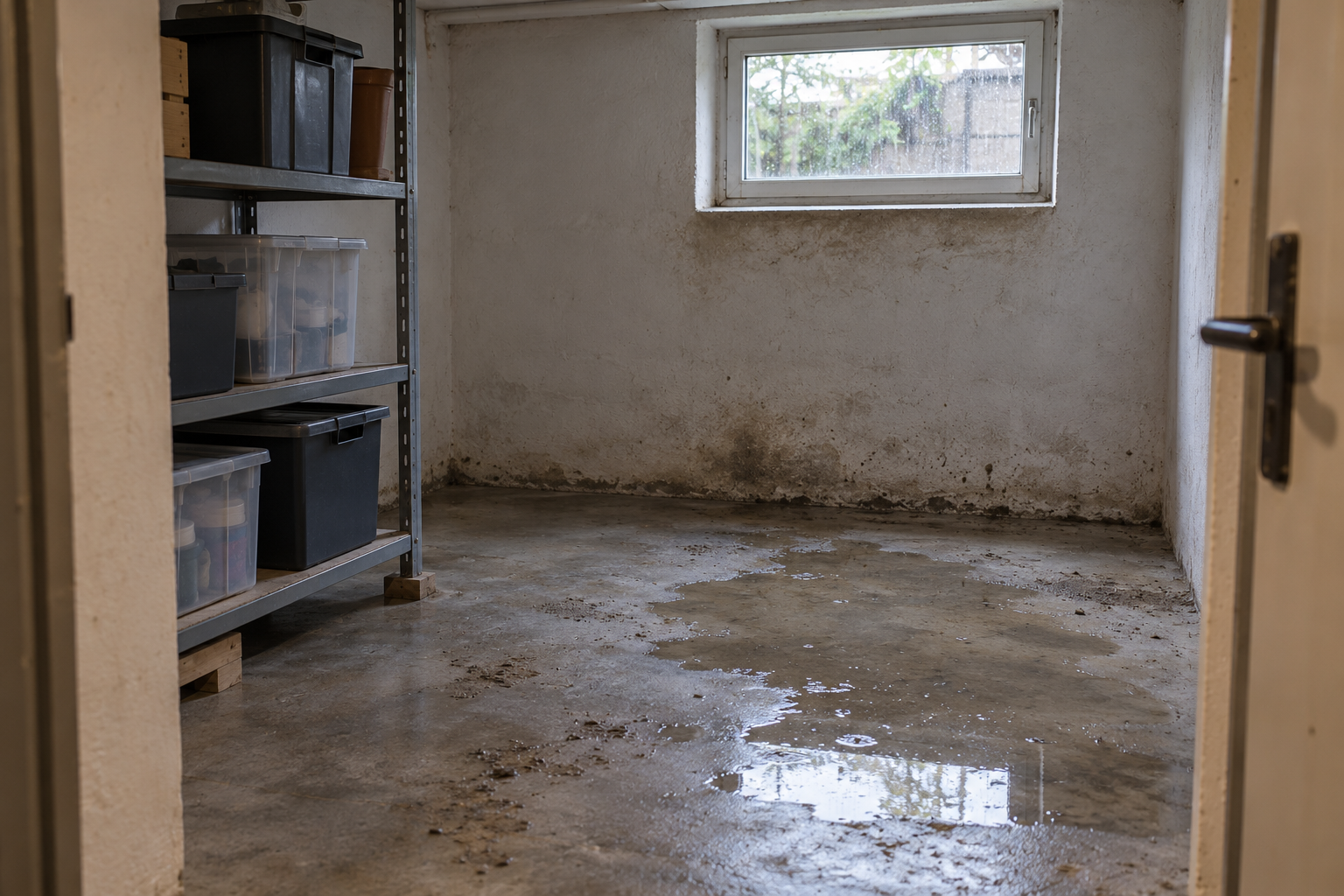
A basement dehumidifier can help reduce humidity. However, a full water tank does not explain why the room is damp. Before running a unit continuously, consider what you want it to achieve, the conditions in your basement and the ongoing costs.
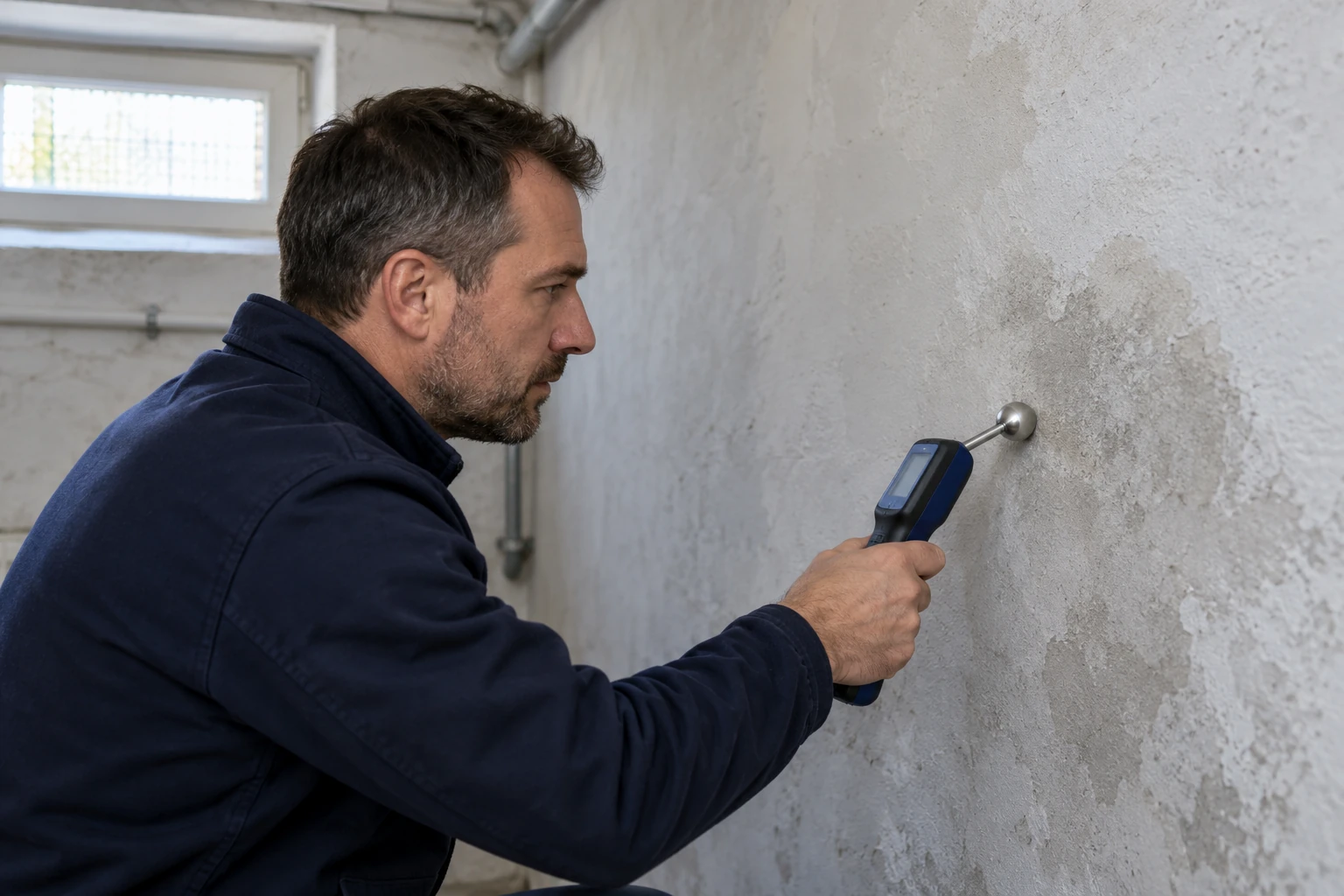
The size of the room, its temperature and how you use the space all matter when choosing a suitable appliance. Recording humidity readings and operating times can help you monitor its performance. Keep an eye on the walls as well, since drier air does not necessarily mean the underlying moisture problem has been resolved.
These five tips will help you prepare for using a dehumidifier and assess the results more clearly.
Are you dealing with temporarily elevated humidity or a wall that repeatedly becomes wet? Start by identifying the problem you want to address.
The German consumer advice organisation Verbraucherzentrale lists a condensation dehumidifier as a possible way to remove moisture from indoor air, while emphasising low electricity consumption. This is not a blanket recommendation for every basement. Read Verbraucherzentrale’s heating and ventilation guidance.
Define your goal as clearly as possible: for example, controlling humidity during a particular activity. This makes it easier to assess whether running the appliance provides the intended benefit.
Not every dehumidifier is equally suitable for a cool basement. Temperature matters alongside room size. Condensation and desiccant models use different technologies and suit different operating conditions. Trotec explains these differences in its equipment guide.
Compare the specified operating range with the temperatures you actually measure. A high advertised extraction capacity should not be the only deciding factor.
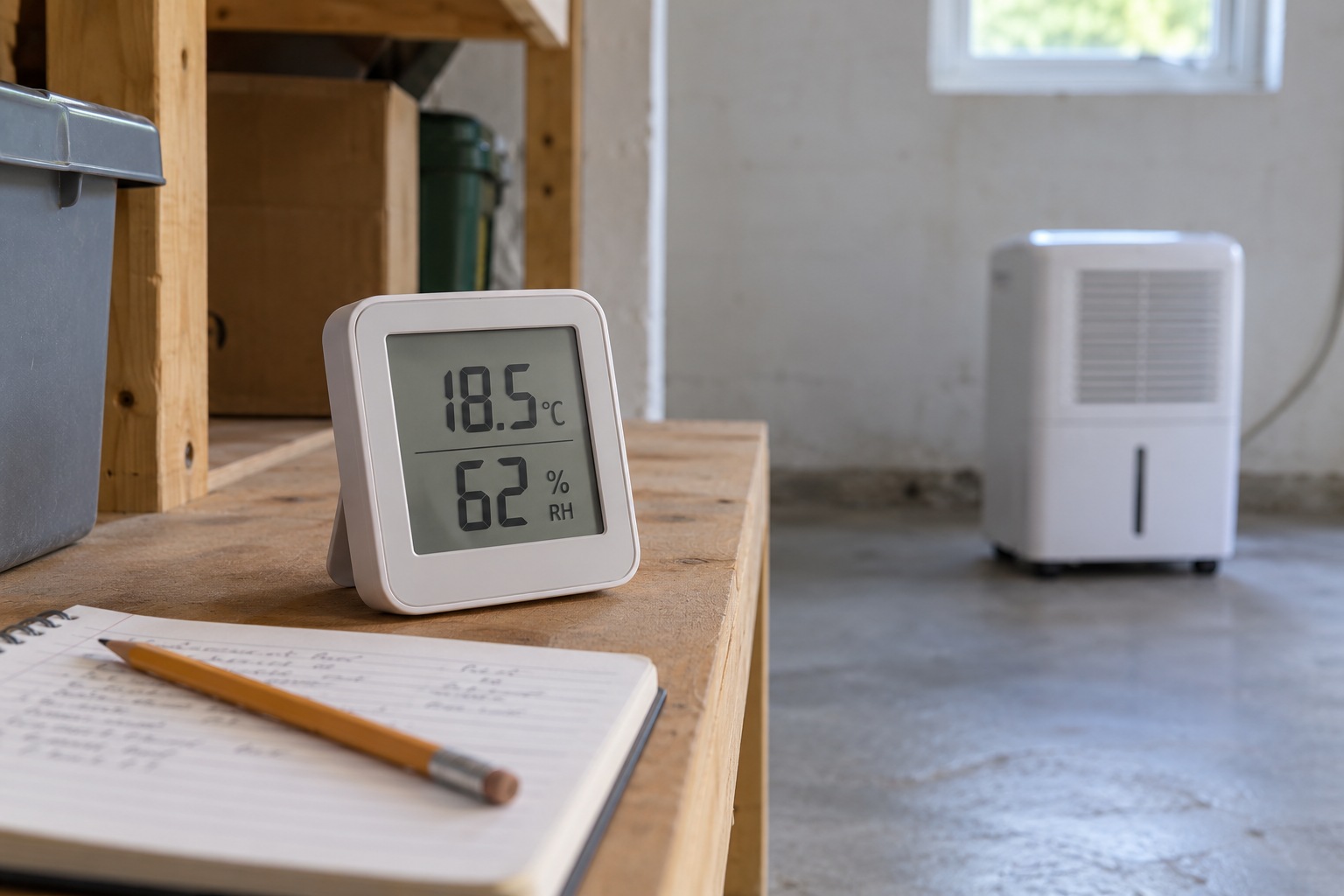
Air needs to circulate freely around the appliance. Follow the required clearances and avoid placing it behind boxes or between closely spaced furniture.
Windows and doors to the area being dehumidified should generally remain closed while the unit is operating. This is also recommended in ENERGY STAR’s usage guidance.
Follow the instruction manual for emptying the tank, cleaning and maintenance. Choose a position that makes these routine tasks easy to carry out.
Keep a simple operating log over a manageable period, recording:
To calculate electricity costs, use: consumption in kilowatt-hours × your electricity price per kilowatt-hour. Measured consumption provides a useful basis; the maximum power rating alone does not fully describe actual electricity use.
Consider the readings in context. Changes in weather or how you use the room can affect comparisons.
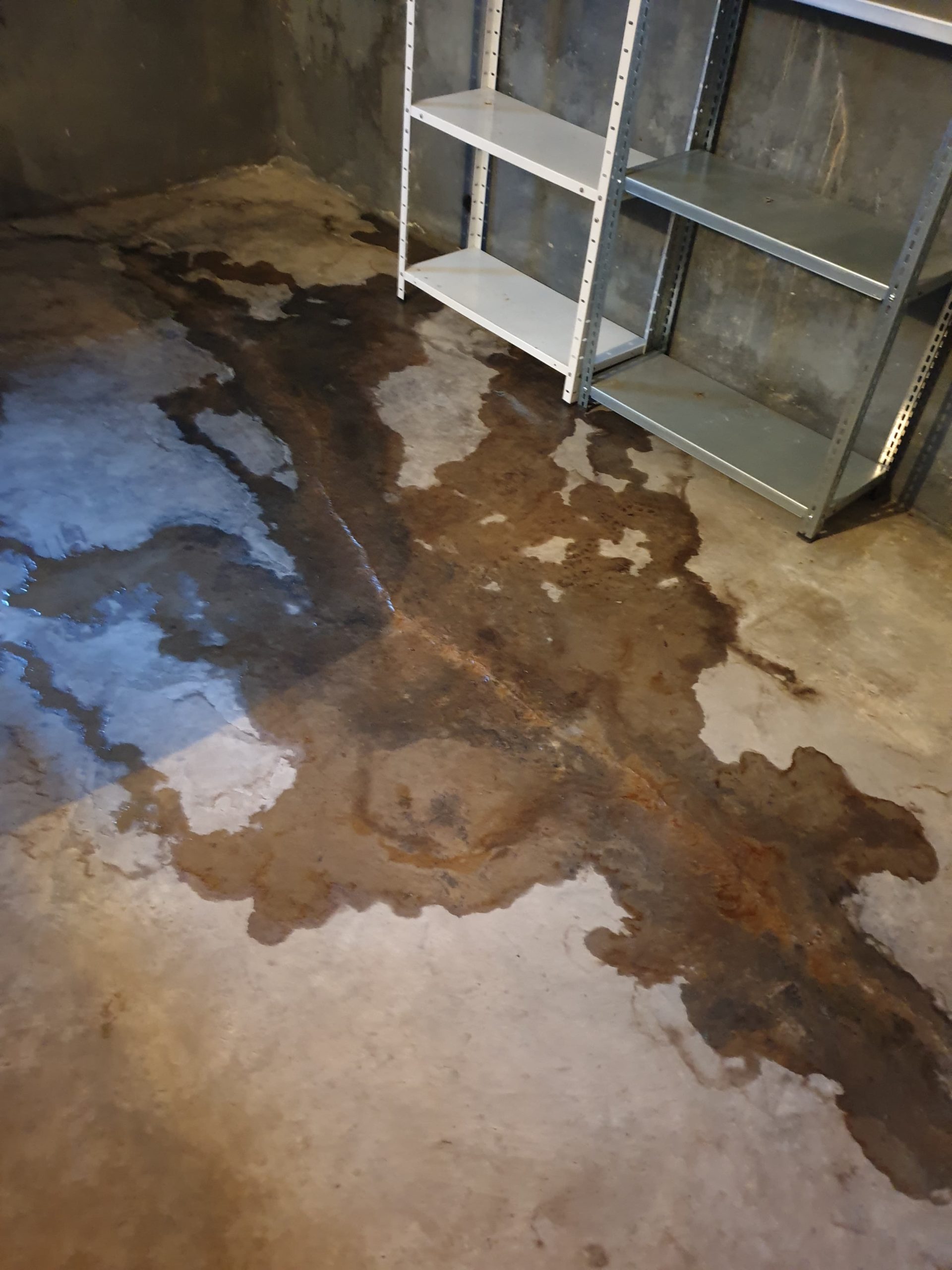
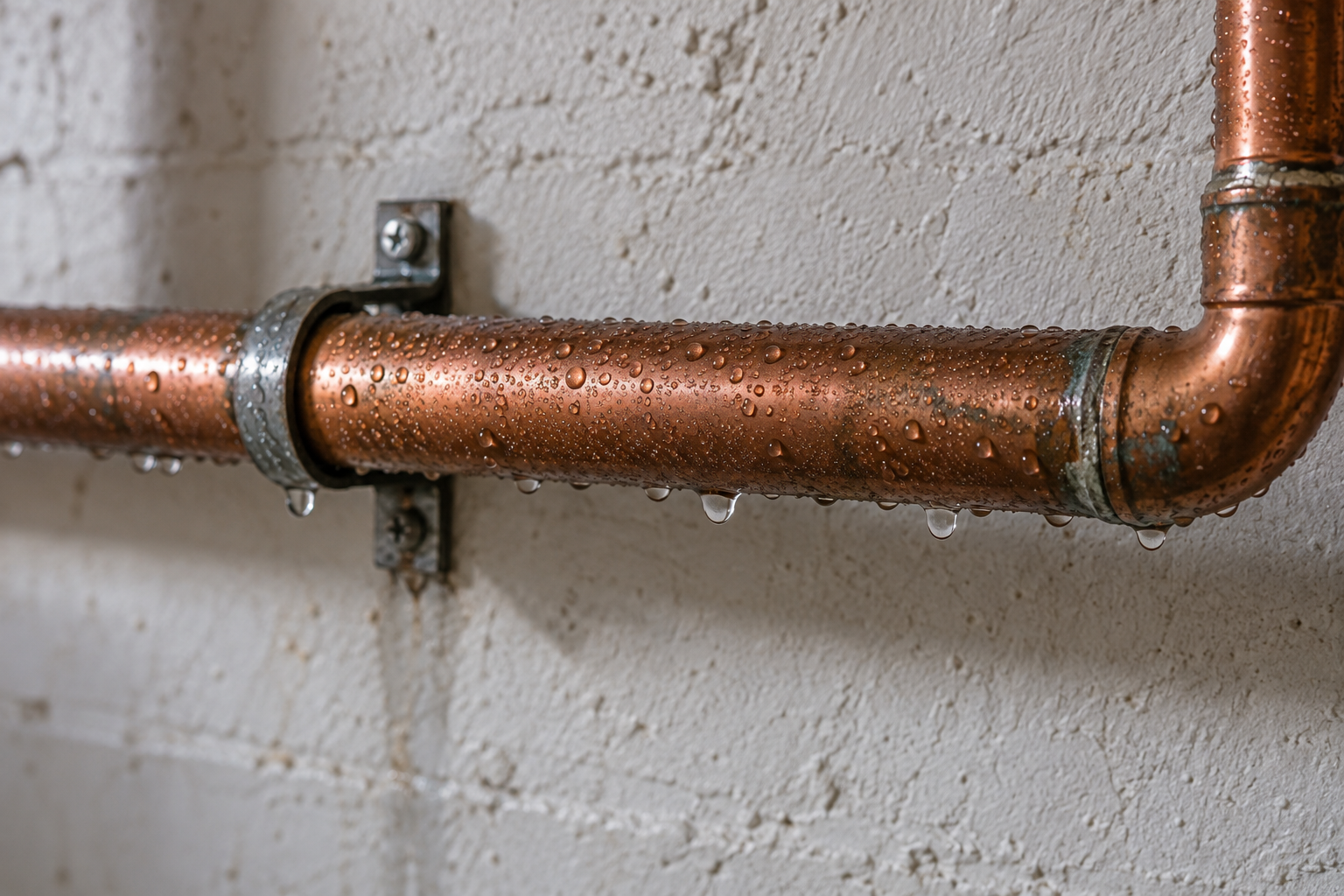
A dehumidifier does not repair a leaking pipe or defective waterproofing. Drier air alone does not remove existing mould either. The German Environment Agency emphasises the need to identify and address the moisture source when dealing with mould. Read the agency’s guidance.
Treat the appliance as part of managing the situation, rather than proof that the problem has been resolved. A full tank shows that moisture is being collected from the air, but it does not reveal where that moisture originates. Similarly, a lower indoor humidity reading does not prove that the masonry is already dry.
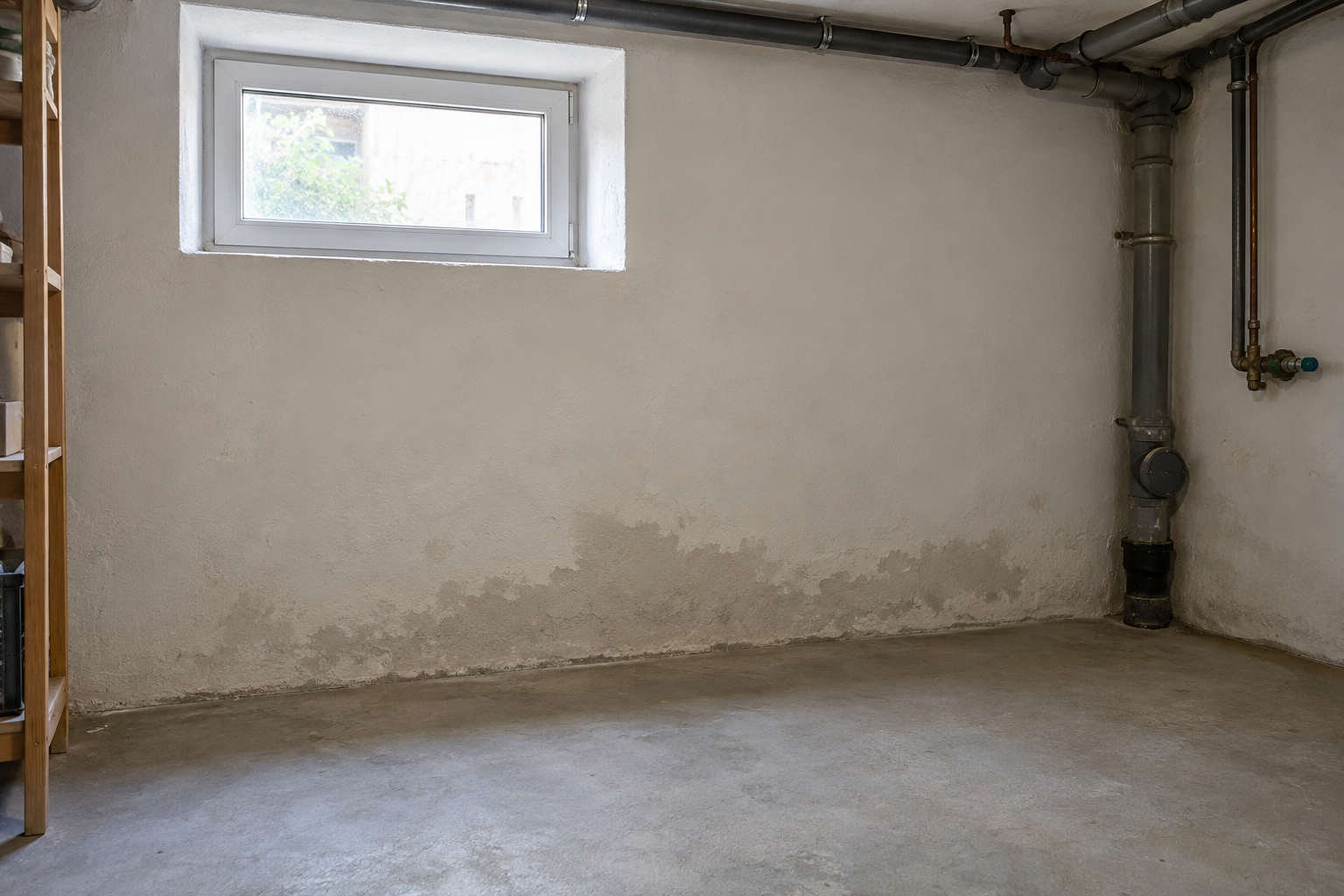
Monitor the room as well as the measurements. Are damp patches spreading? Is paint or plaster beginning to flake? Does a musty smell return? Note whether changes follow rainfall, drying laundry or switching the appliance off. These observations can help prepare for a professional assessment, although they do not establish a diagnosis on their own.
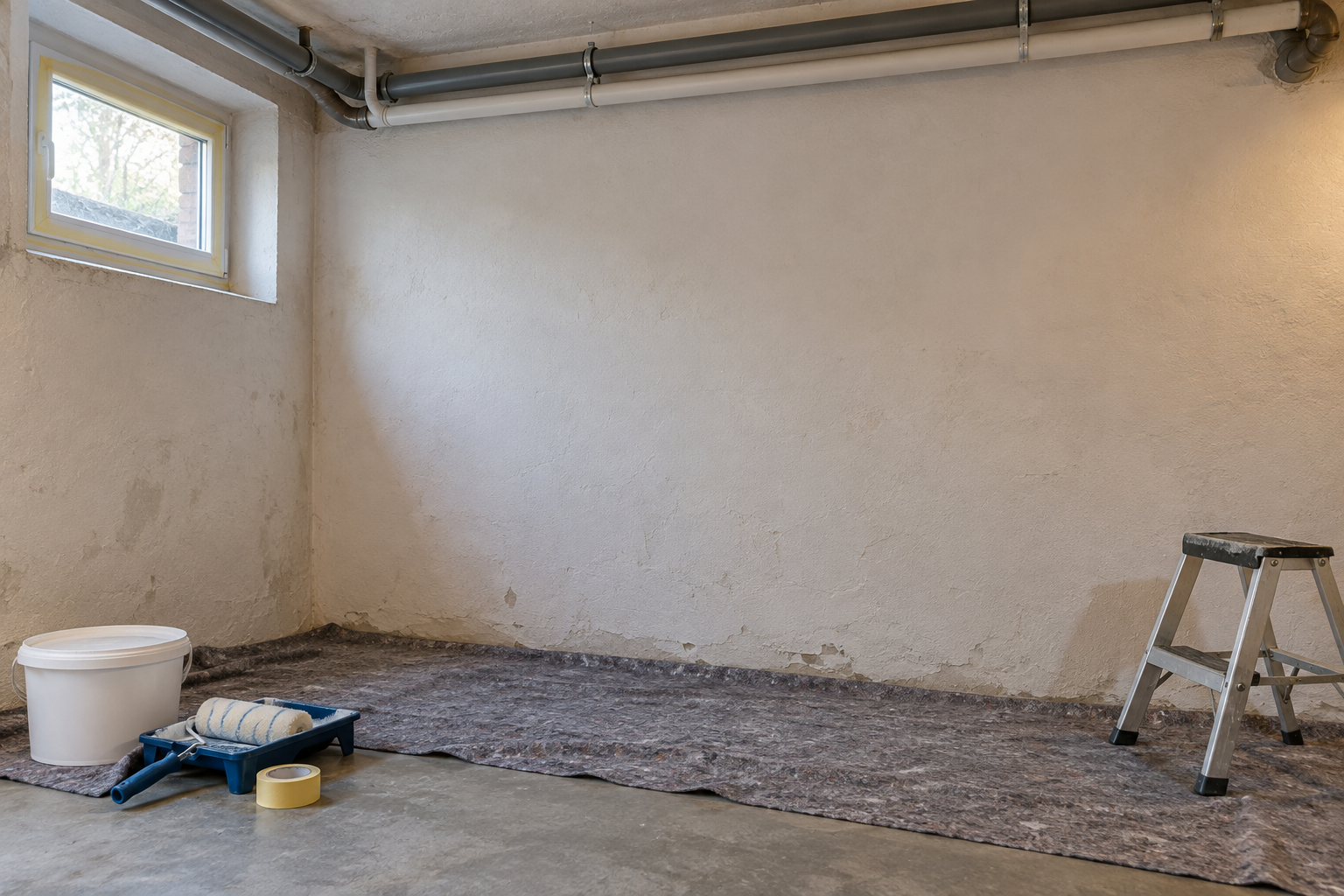
If areas remain wet, damage increases or water visibly enters the basement, arrange a professional assessment. Do not postpone it simply because the dehumidifier lowers the humidity reading. Before repainting, replastering or applying waterproofing products, establish the cause and choose a treatment suited to the wall’s actual condition.
Whether waterproofing is appropriate depends on the cause and the condition of the affected building elements. If you would like to find out whether Thor Protect could suit your situation, photographs, observations and details of previous treatments can help prepare for a discussion.

PayPal uses Google reCAPTCHA to help secure the payment process. (More Information)
You are currently viewing a placeholder content from Vimeo. To access the actual content, click the button below. Please note that doing so will share data with third-party providers.
More InformationYou are currently viewing a placeholder content from YouTube. To access the actual content, click the button below. Please note that doing so will share data with third-party providers.
More InformationYou need to load content from reCAPTCHA to submit the form. Please note that doing so will share data with third-party providers.
More Information