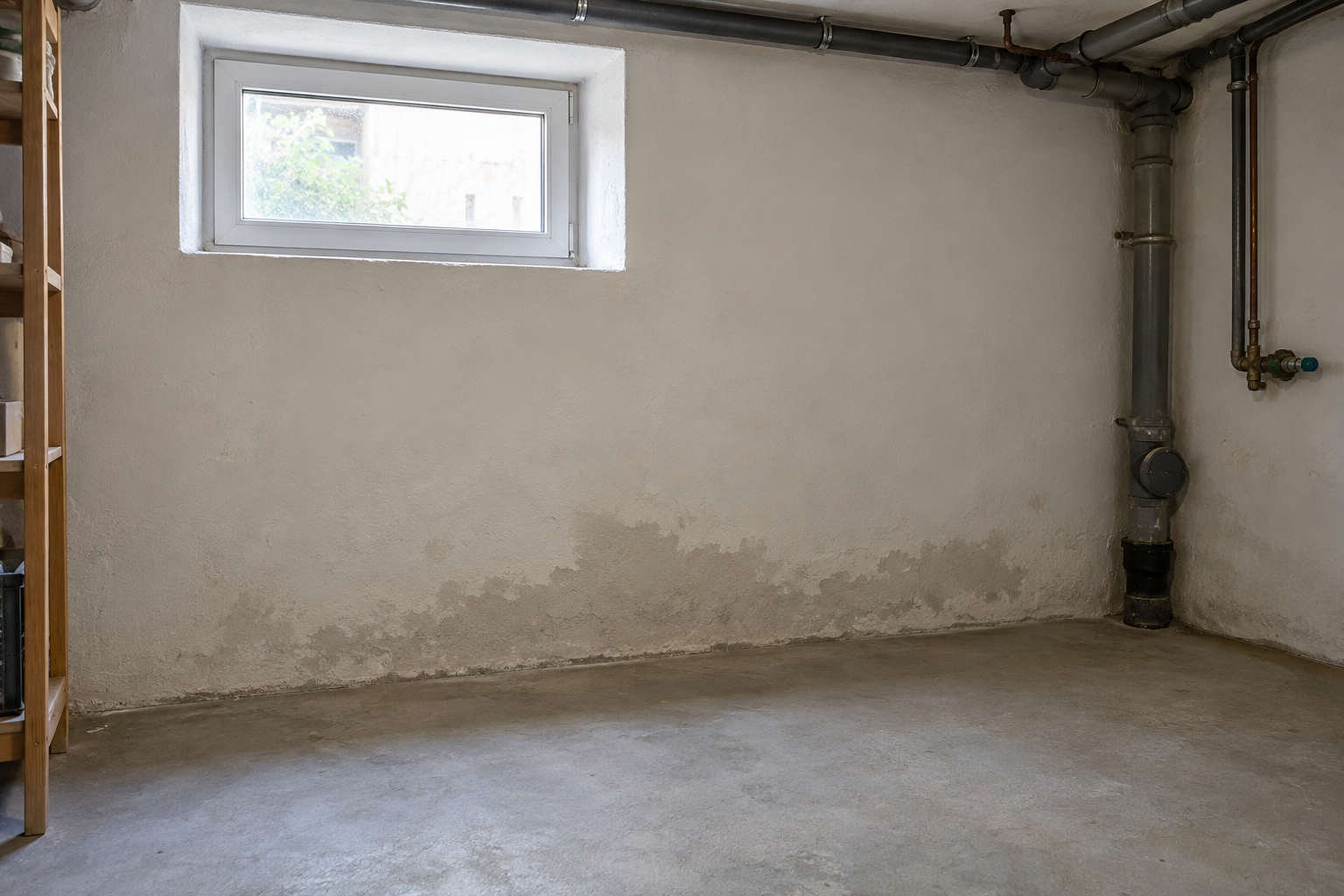

Basement ventilation may seem straightforward: if the room smells musty, leave the window open for as long as possible. However, under unfavourable conditions, this can bring additional moisture indoors. In summer especially, a cool basement needs a different ventilation routine from a living space.
What matters is not simply how long the window stays open, but whether the incoming outdoor air removes moisture or introduces more of it.
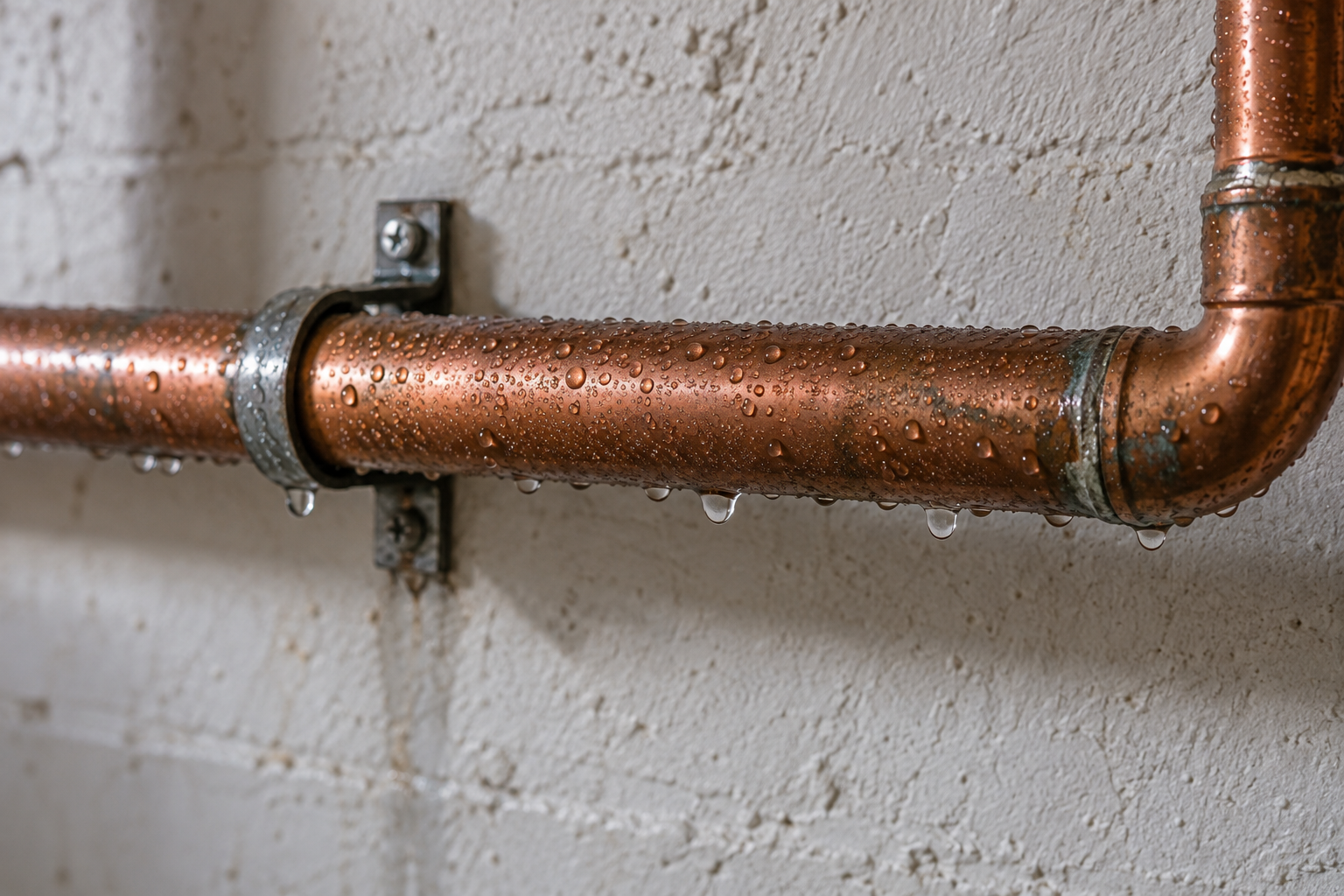
Basement ventilation needs particular care in summer because walls and floors can remain cool even when outdoor temperatures rise. If warm, humid air enters and cools against these surfaces below its dew point, moisture can condense on them.
The UK’s Property Care Association explains that some basements are more vulnerable to condensation during warmer months, when moisture-laden air meets cooler underground structures. Read the Property Care Association’s guidance on ventilation and air management in basements.
Leaving a window open for longer is therefore not automatically helpful. Effective basement ventilation depends on the temperature and moisture conditions inside and outside, rather than simply the time of day. A humid evening or muggy night can still introduce unwanted moisture.
If condensation keeps returning, monitoring conditions over several days can help identify patterns. This provides a better basis for assessing your ventilation routine than relying on a single humidity reading.
For ventilation to reduce moisture, the incoming air must contain less water vapour than the basement air it replaces. Relative humidity percentages cannot be compared meaningfully without also considering the corresponding temperatures.
A lower percentage outdoors does not automatically mean drier air if the outdoor temperature is significantly higher. If problems keep recurring, a suitable ventilation control system may help by taking both indoor and outdoor conditions into account. The German consumer advice organisation Verbraucherzentrale describes systems that compare absolute humidity inside and outside. Read Verbraucherzentrale’s guidance.
Ventilating a basement is also useful in winter. Unlike in summer, the German Environment Agency states that it is generally possible at any time of day. This does not mean, however, that a window should remain permanently open.
Adapt ventilation to the room, its use and the weather. There is no single ventilation duration that suits every basement. Also keep doors to heated living spaces and the stairwell closed rather than ventilating the basement through these areas. Source: German Environment Agency.
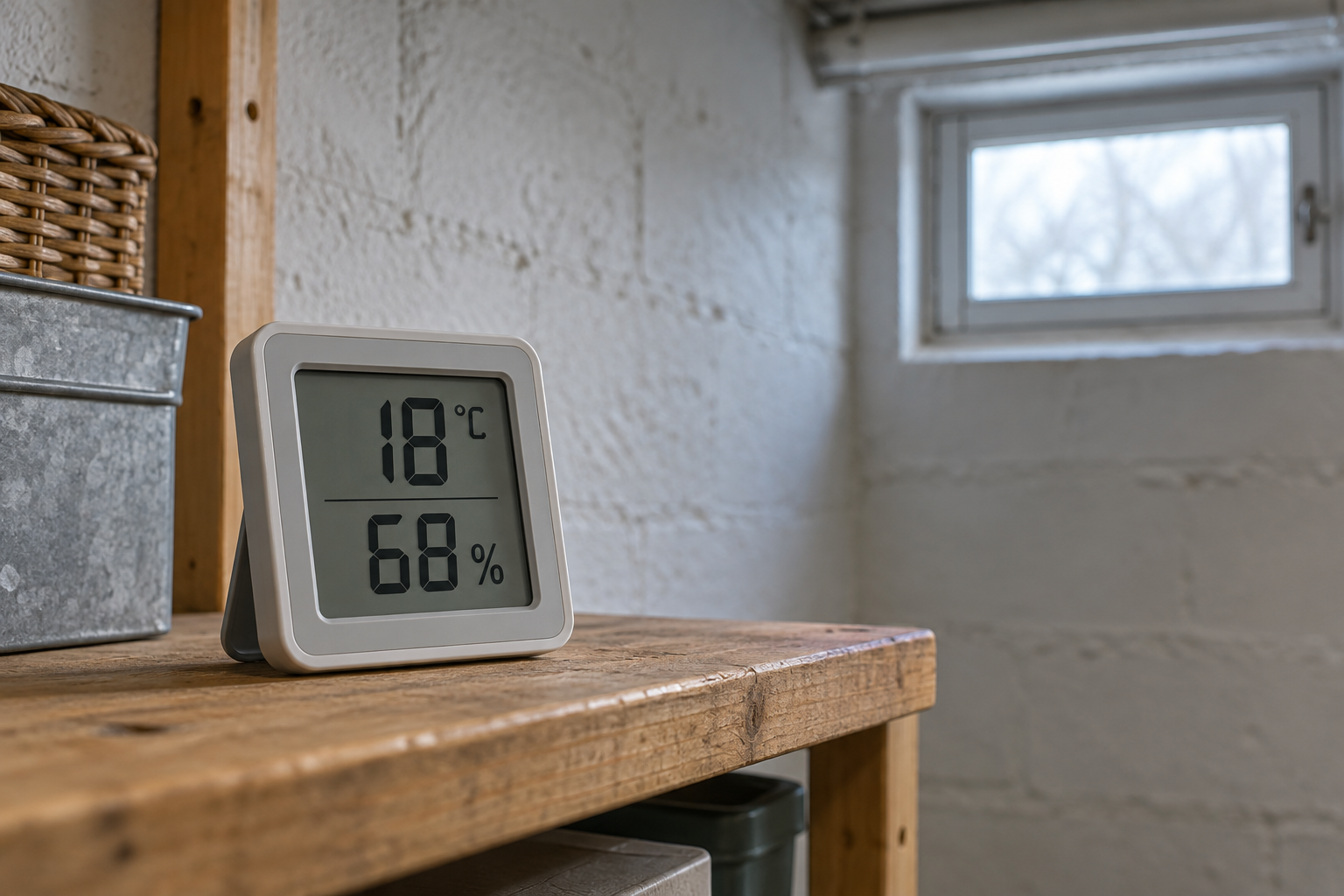
For everyday use, it helps to turn occasional observations into a consistent routine:
This record provides a useful starting point. It does not need to be an elaborate spreadsheet: the date, indoor readings and a brief note are enough to begin with.
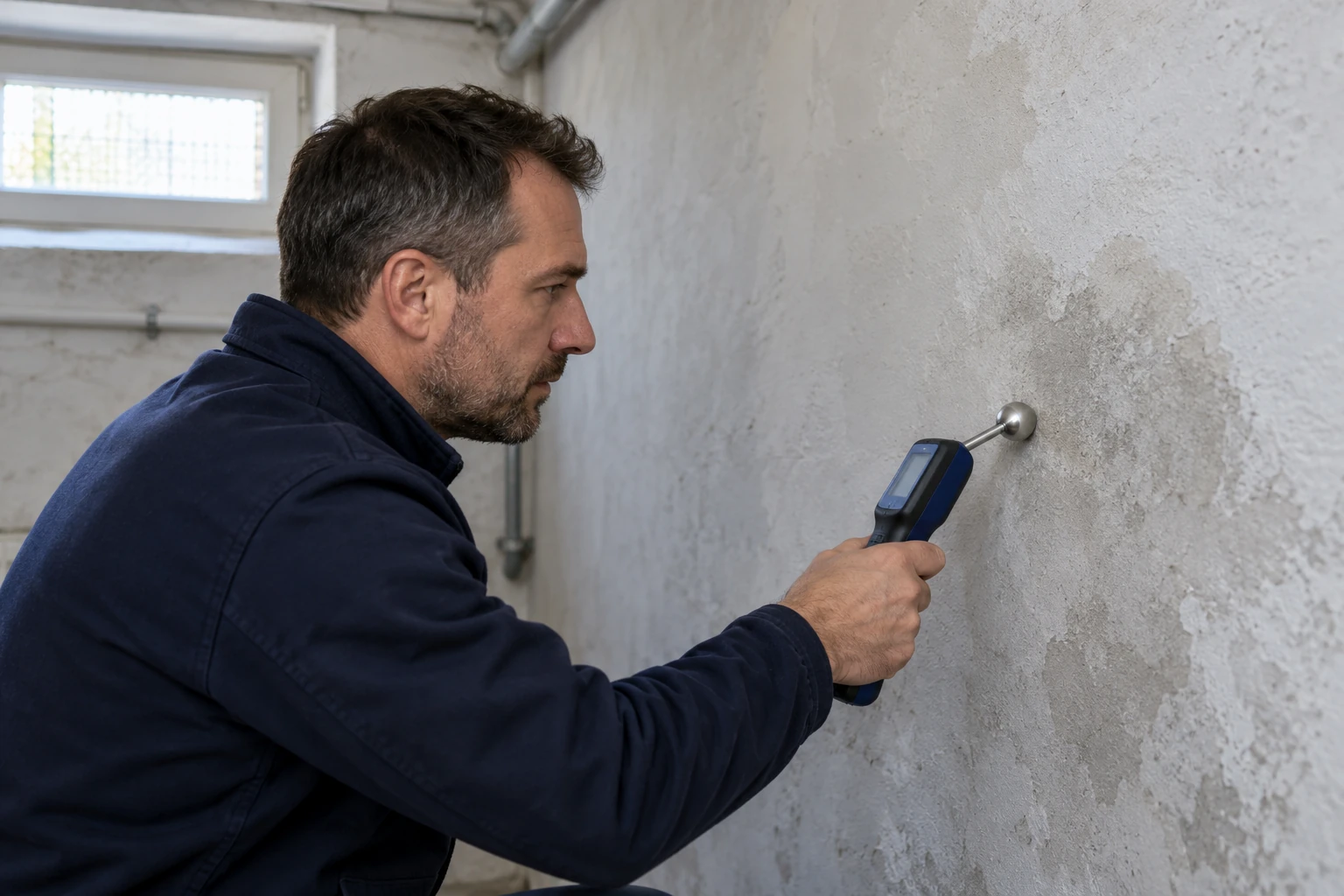
Verbraucherzentrale recommends monitoring humidity with a thermo-hygrometer. However, the device measures the indoor air and does not replace an investigation of the wall itself. Read more about heating and ventilation.
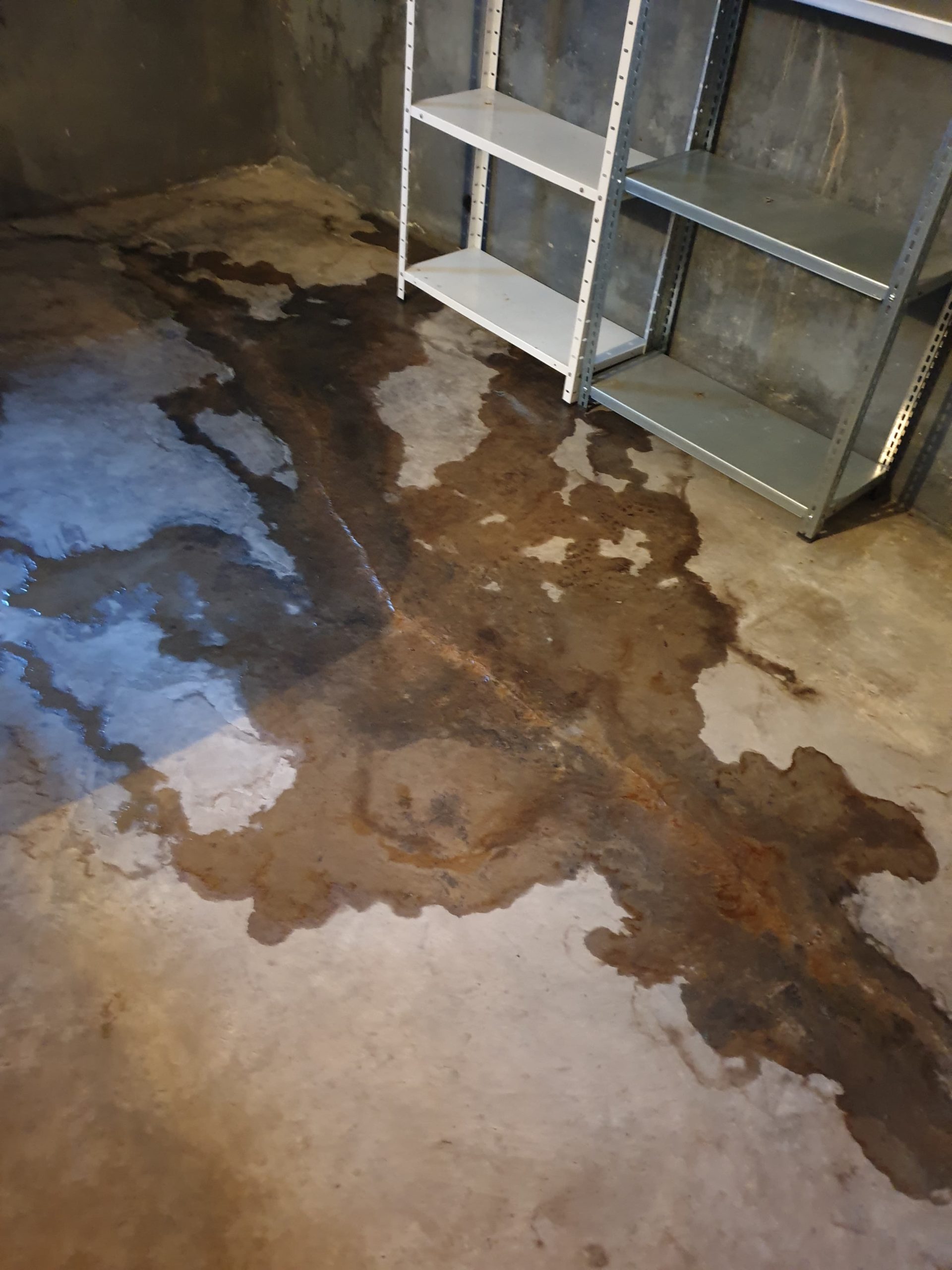
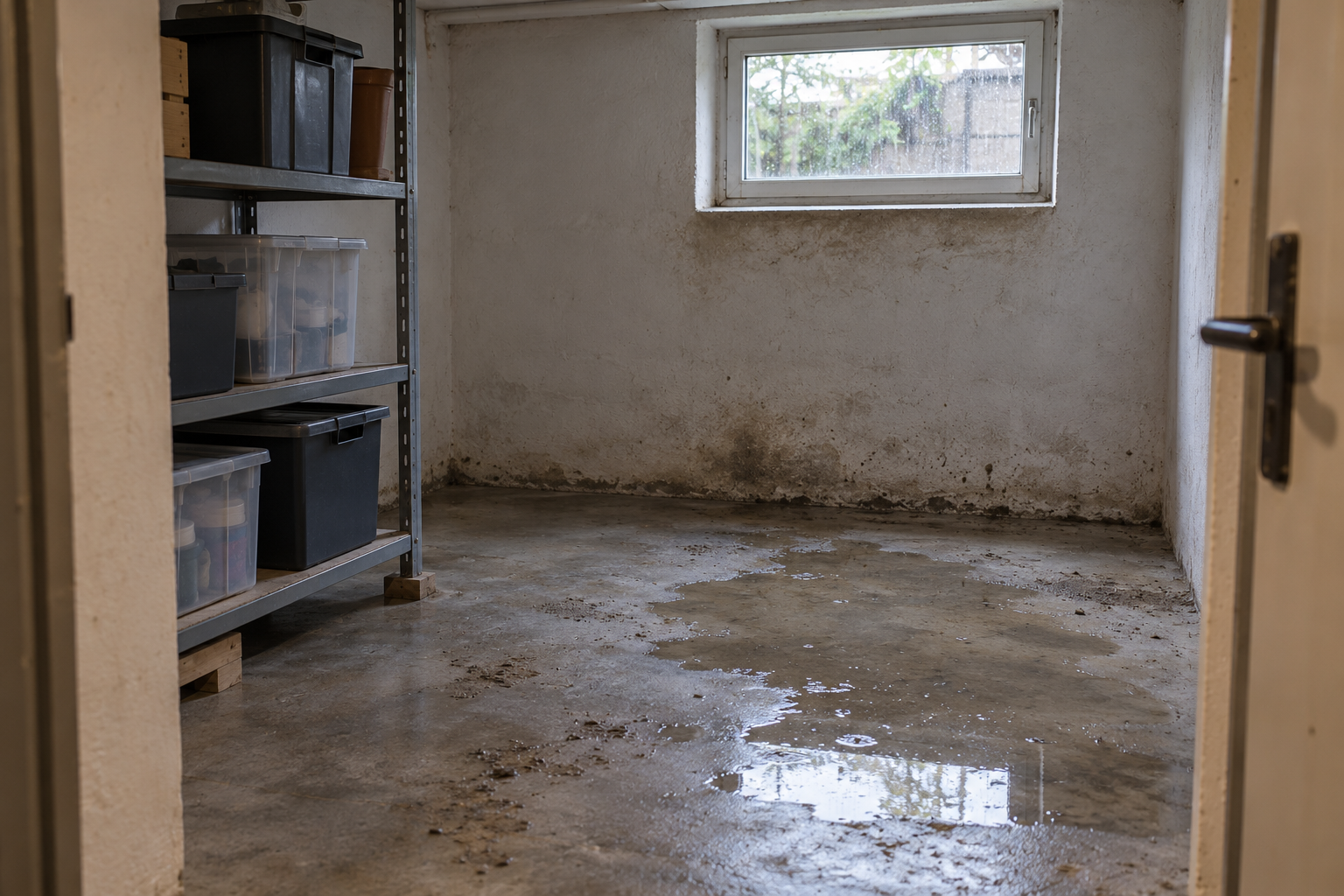
If water is entering through part of the building or a pipe is leaking, changing the ventilation routine will not resolve the cause. Recurring damp should not automatically be attributed to supposedly incorrect ventilation either.
Our article “Damp Basement Walls: Understanding the Possible Causes” explains which observations can help with further assessment. A professional inspection is advisable if water is visibly entering, damage is increasing or unexplained signs of damp keep returning.
Ventilation, the condition of the building and the way the room is used should be considered together. Only once the cause has been narrowed down is it possible to assess whether waterproofing would be appropriate.
If you would like to find out whether Thor Protect is suitable for your situation, describe the affected area and what you have observed so far.
PayPal uses Google reCAPTCHA to help secure the payment process. (More Information)
You are currently viewing a placeholder content from Vimeo. To access the actual content, click the button below. Please note that doing so will share data with third-party providers.
More InformationYou are currently viewing a placeholder content from YouTube. To access the actual content, click the button below. Please note that doing so will share data with third-party providers.
More InformationYou need to load content from reCAPTCHA to submit the form. Please note that doing so will share data with third-party providers.
More Information